February 19, 2026
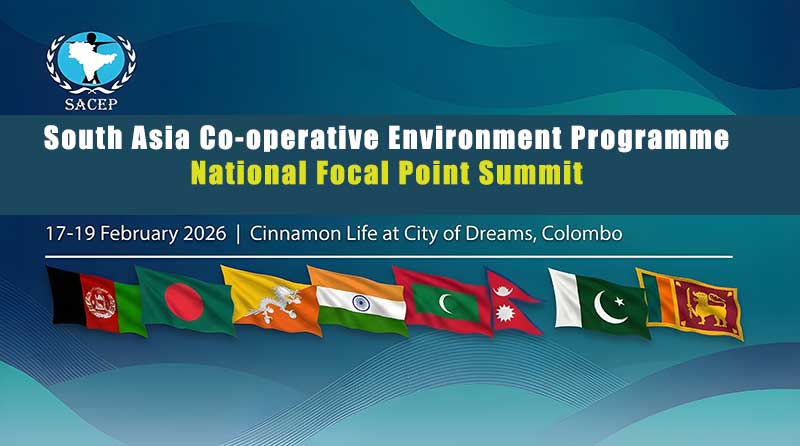
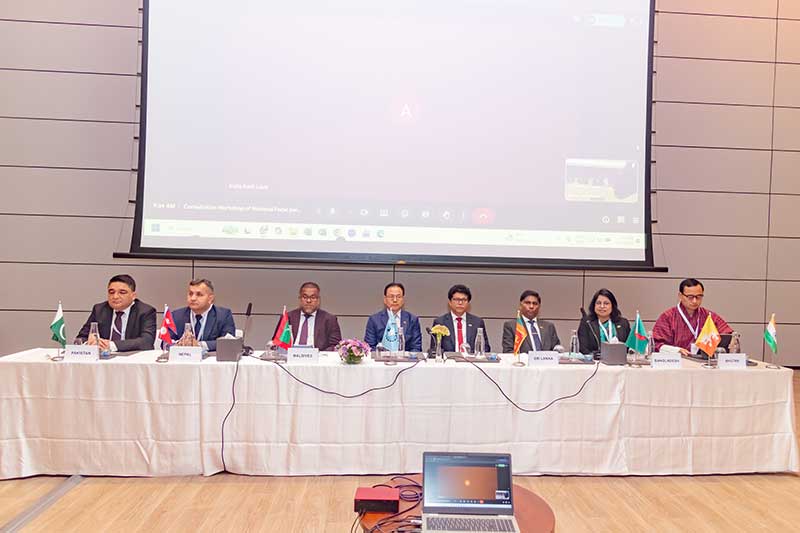
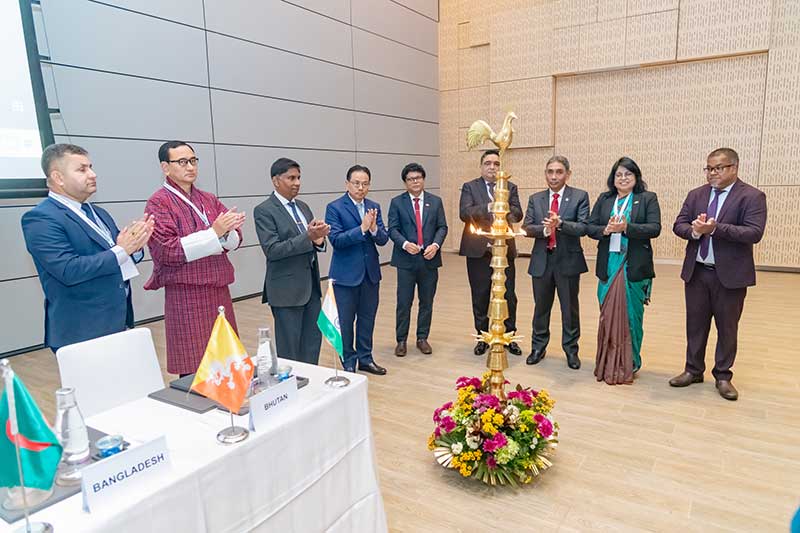
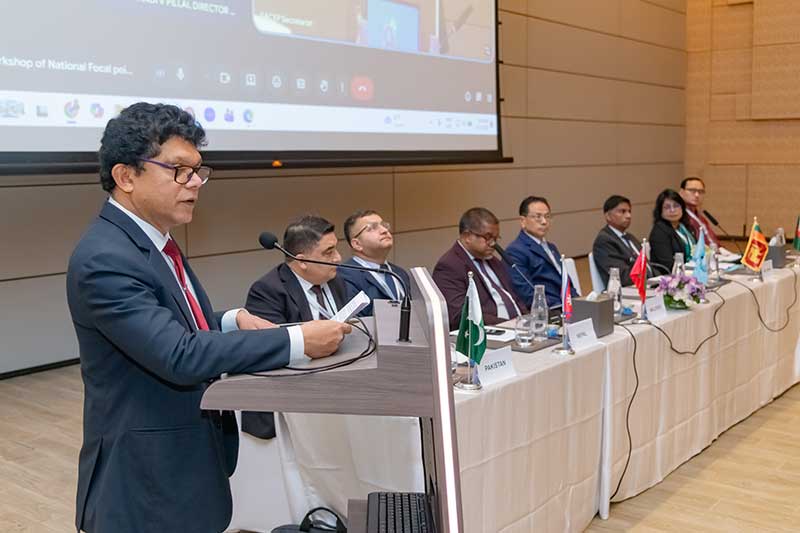
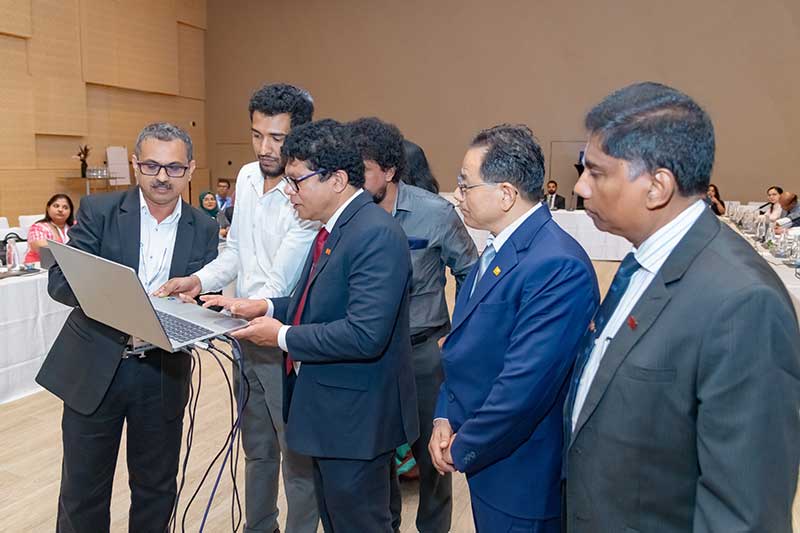
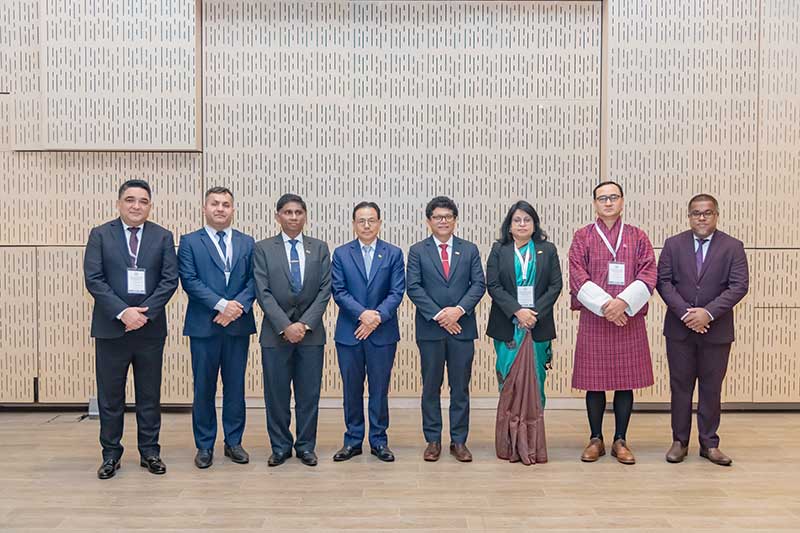
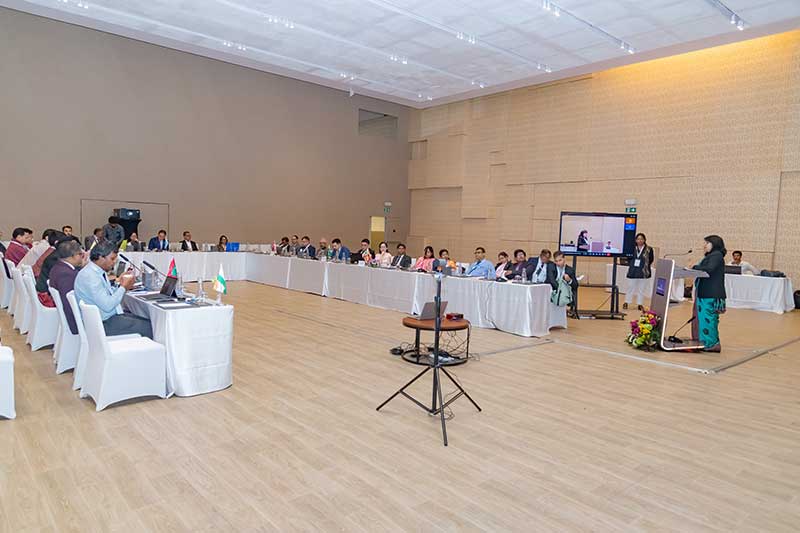
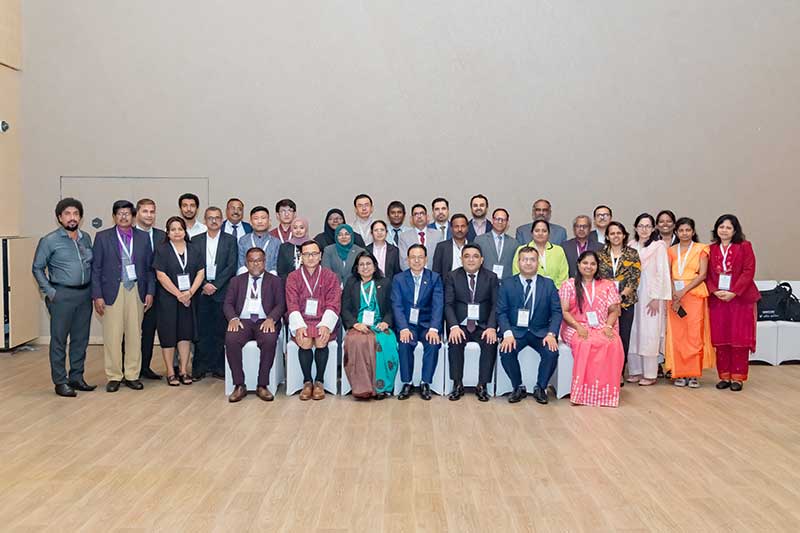
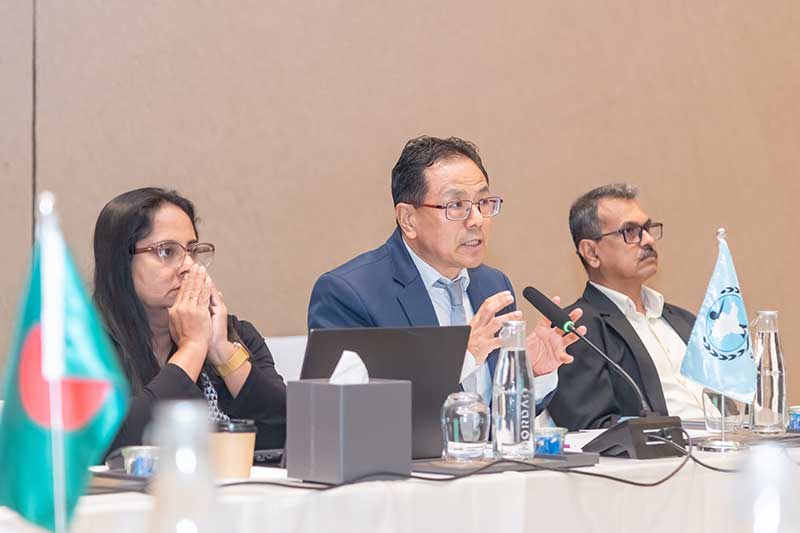
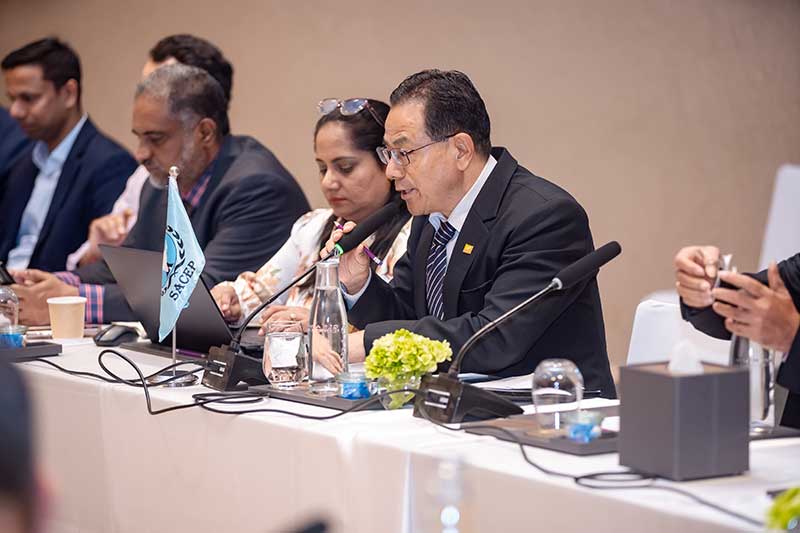
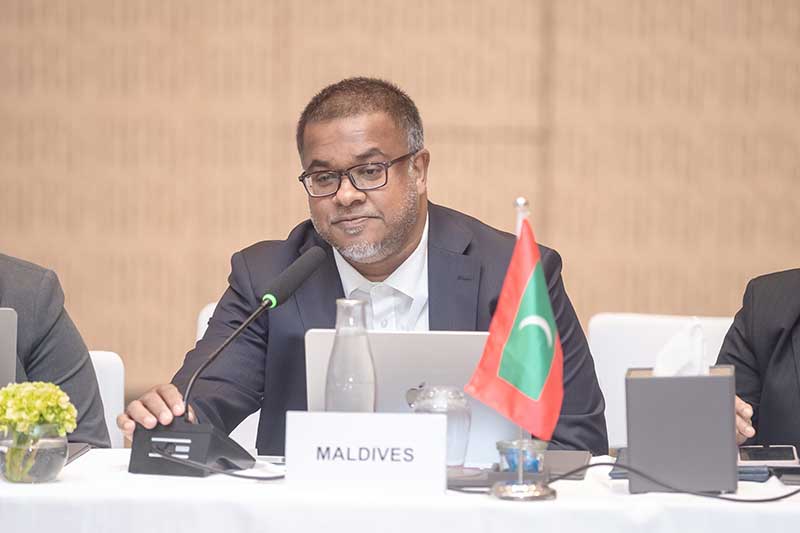
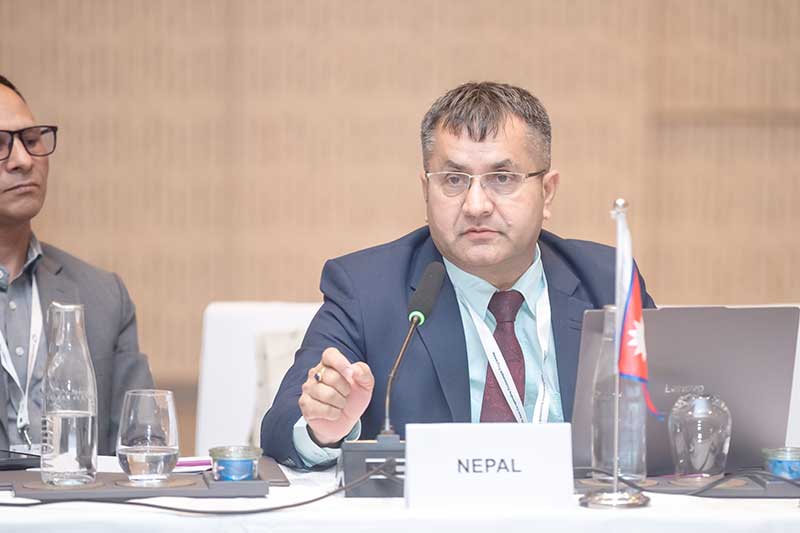
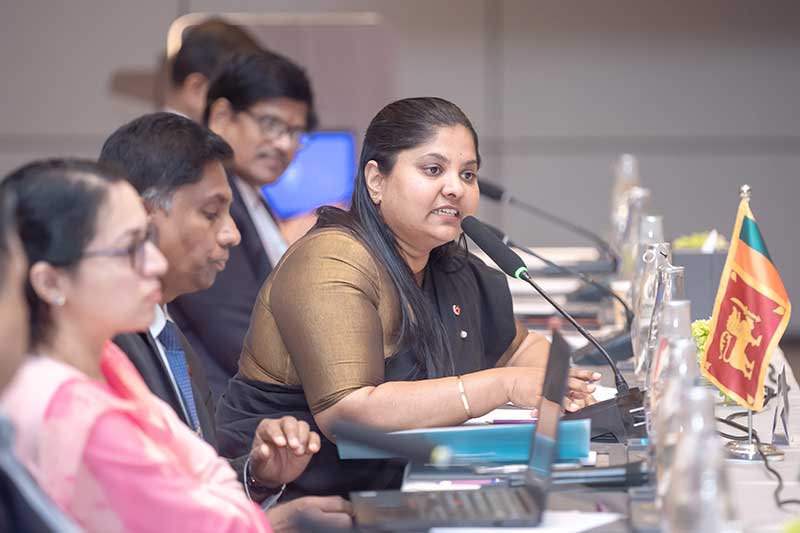
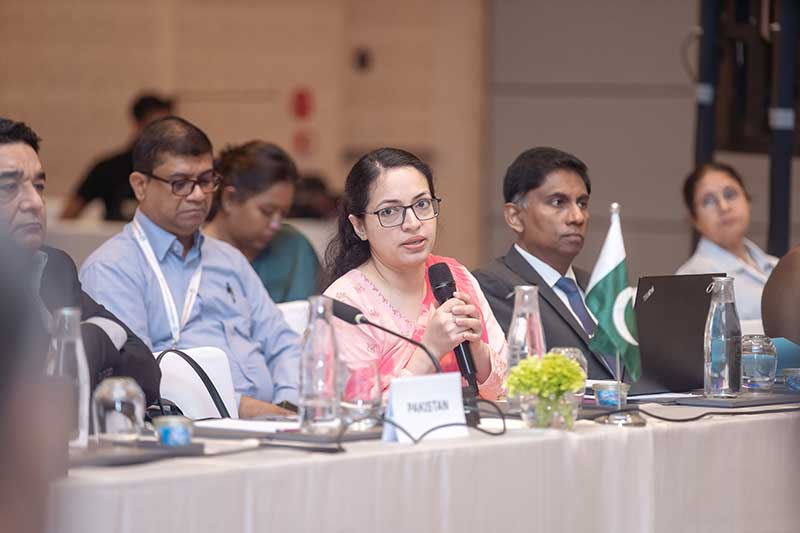
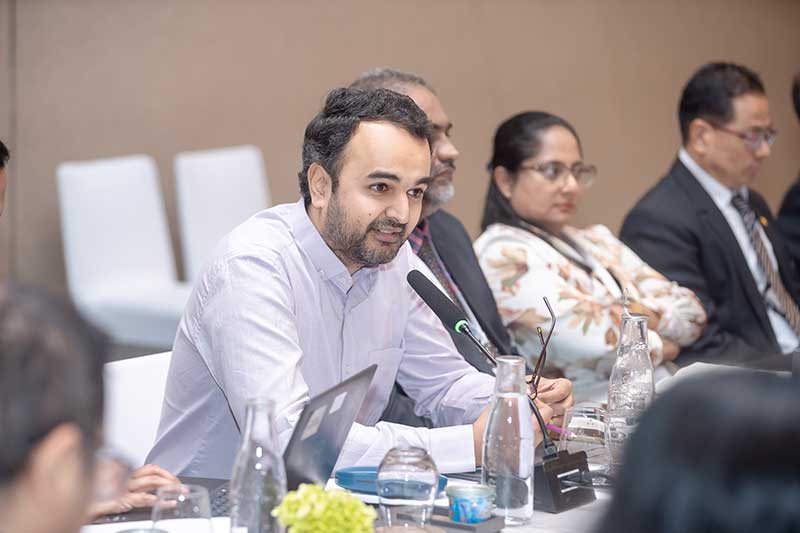
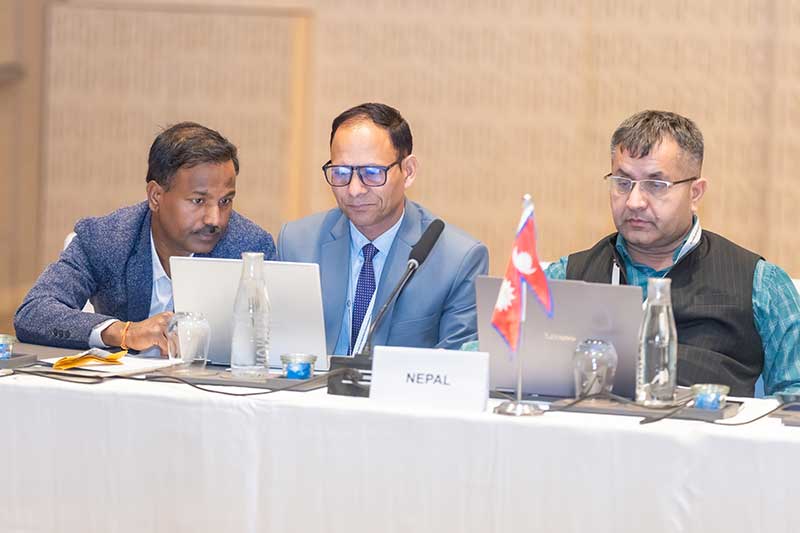
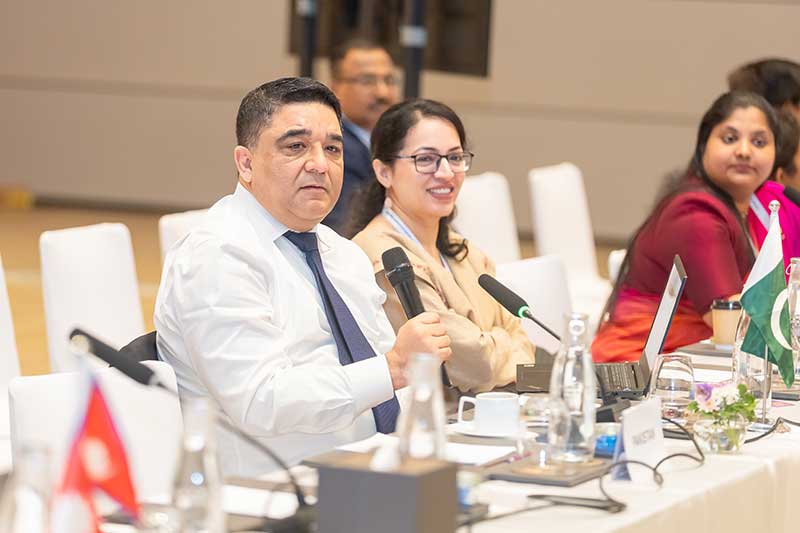
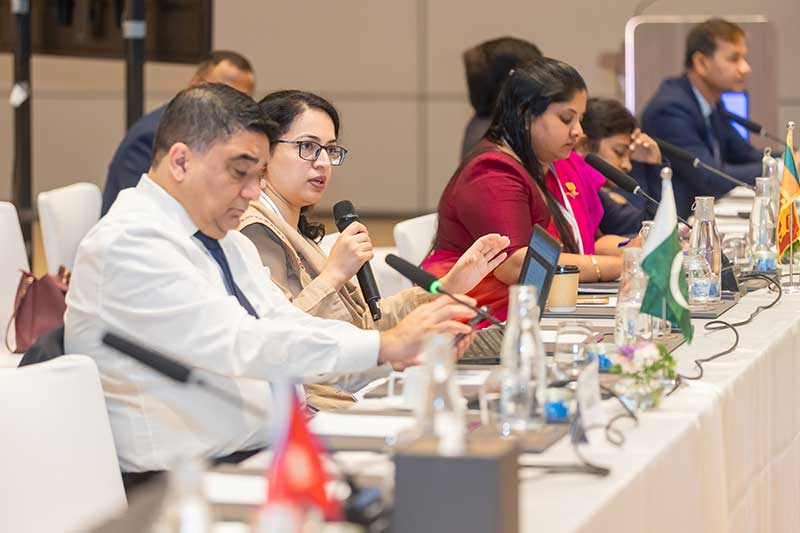
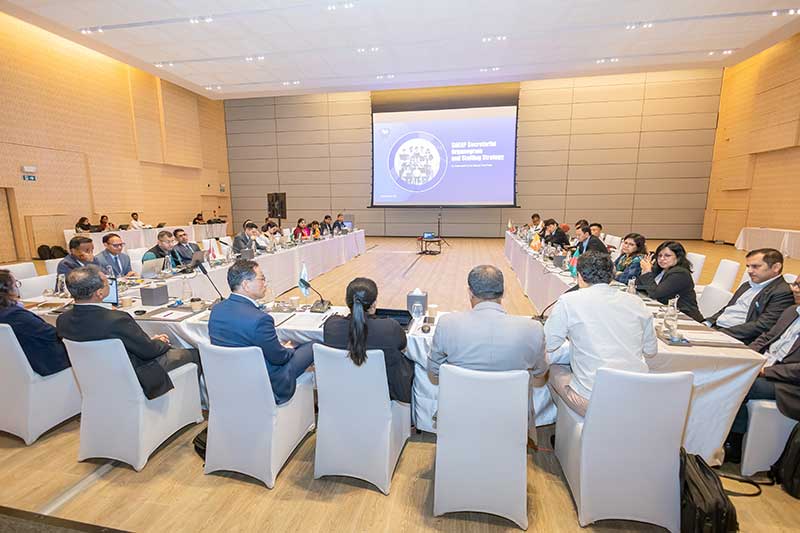
The South Asia Co-operative Environment Programme (SACEP) convened its National Focal Point (NFP) Summit in Colombo, bringing together representatives from the Ministries of Environment of Member States for three days of strategic dialogue, institutional reflection, and forward-looking regional collaboration.
Held at Cinnamon Life – City of Dreams from the 17th -19th February, 2026, the Summit served as a critical platform for Member States to deliberate on strengthening SACEP’s governance architecture, advancing regional environmental priorities, and aligning strategic direction ahead of the forthcoming 17th Governing Council Meeting.
The opening sessions focused on the continuity and institutional resilience of SACEP with substantive discussions on the revision of SACEP’s Articles of Association, restructuring of the organisational organogram, and refinement of Member State contributions. These deliberations reflected a shared commitment to ensuring that SACEP remains responsive, effective, and fit for purpose in addressing evolving environmental challenges across South Asia.
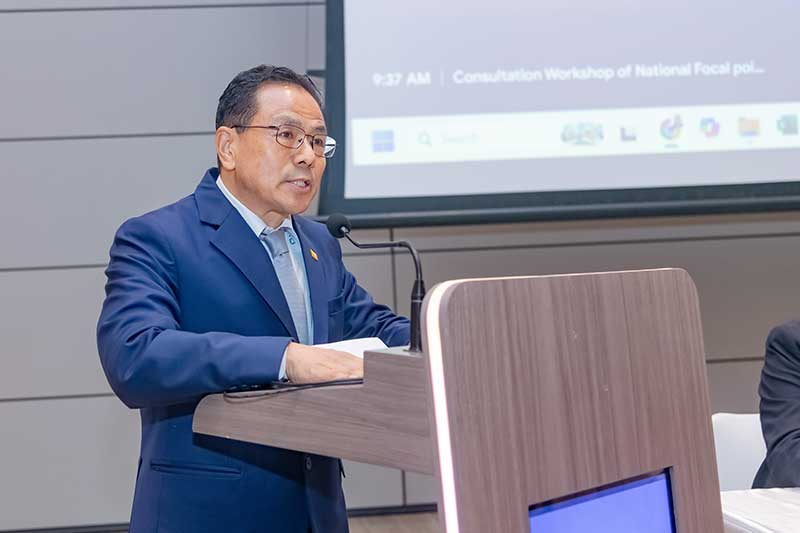
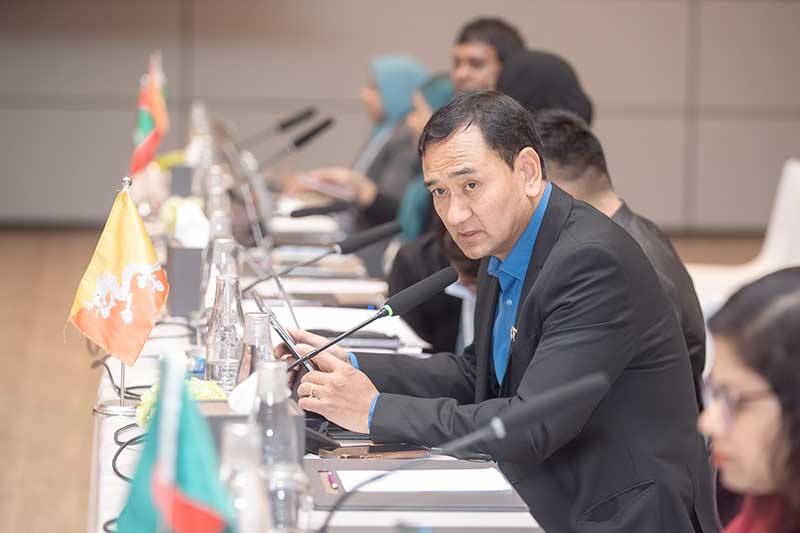
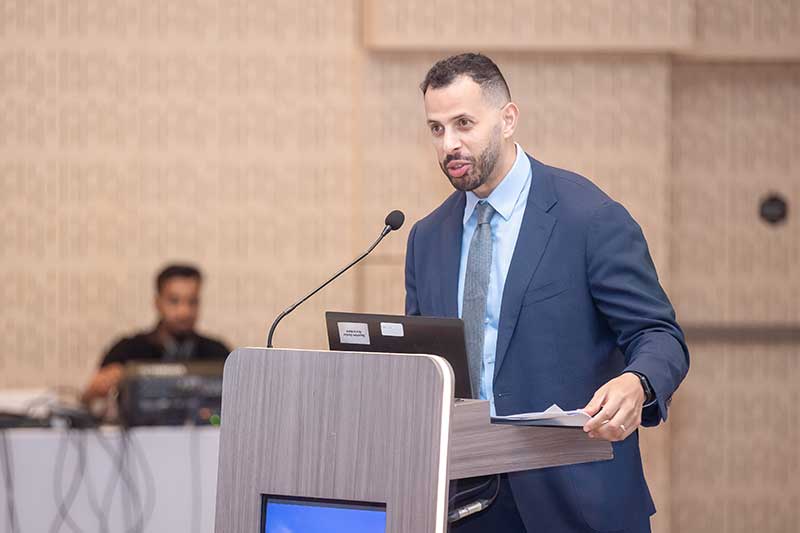
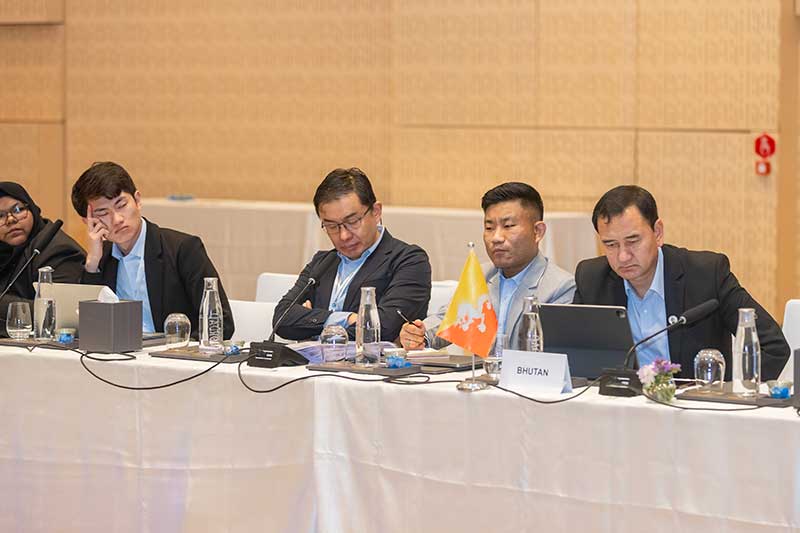
A key highlight of the Summit was the proposal of a South Asia Plastic Pollution–Free Declaration by the delegation of Bhutan. Secretary to the Ministry of Energy and Natural Resources, Karma Tshering highlighted the urgent need for a coordinated regional response to plastic waste, water and marine pollution, and broader environmental degradation.
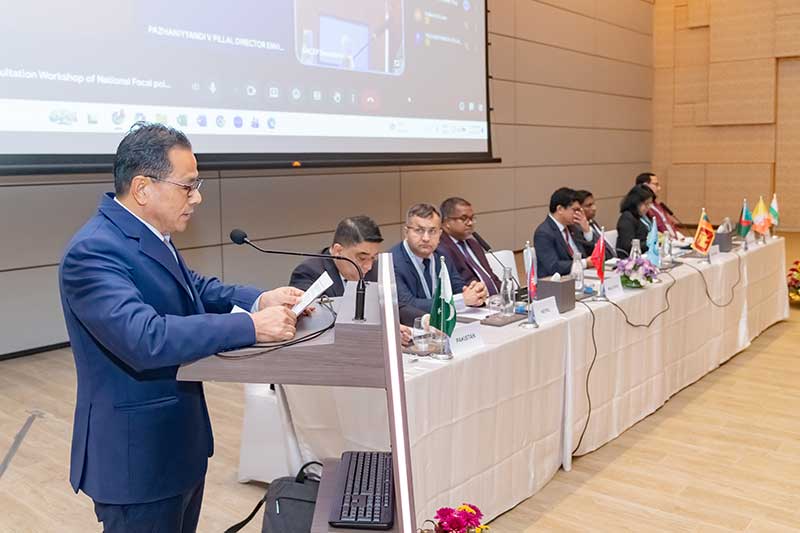
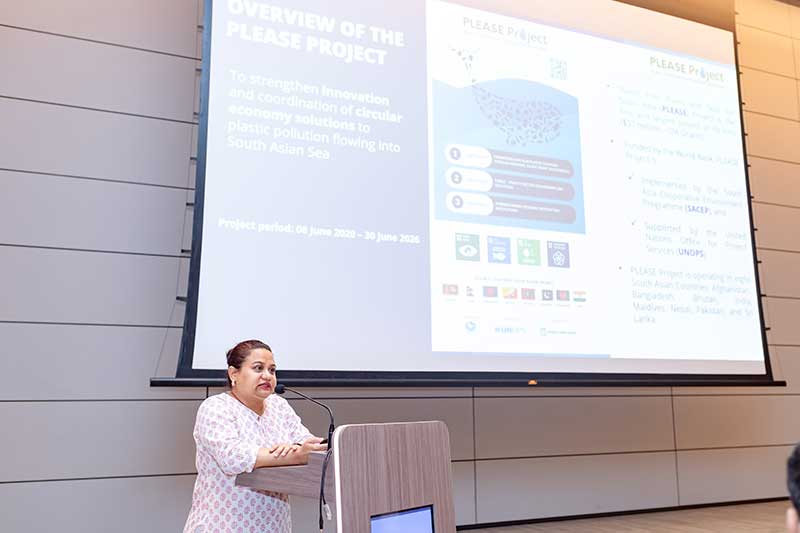
The proposed declaration was then presented by Prakriti Kashyap, Plastic Expert of SACEP’s flagship Plastic Free Rivers and Seas for South Asia (PLEASE) Project. The draft framework emphasises the development and implementation of harmonised national and regional strategies to manage plastic pollution in an environmentally sound and sustainable manner.
Member States commended Bhutan’s leadership and expressed their commitment to collaboratively review and refine the declaration for consideration at the next Governing Council Meeting.
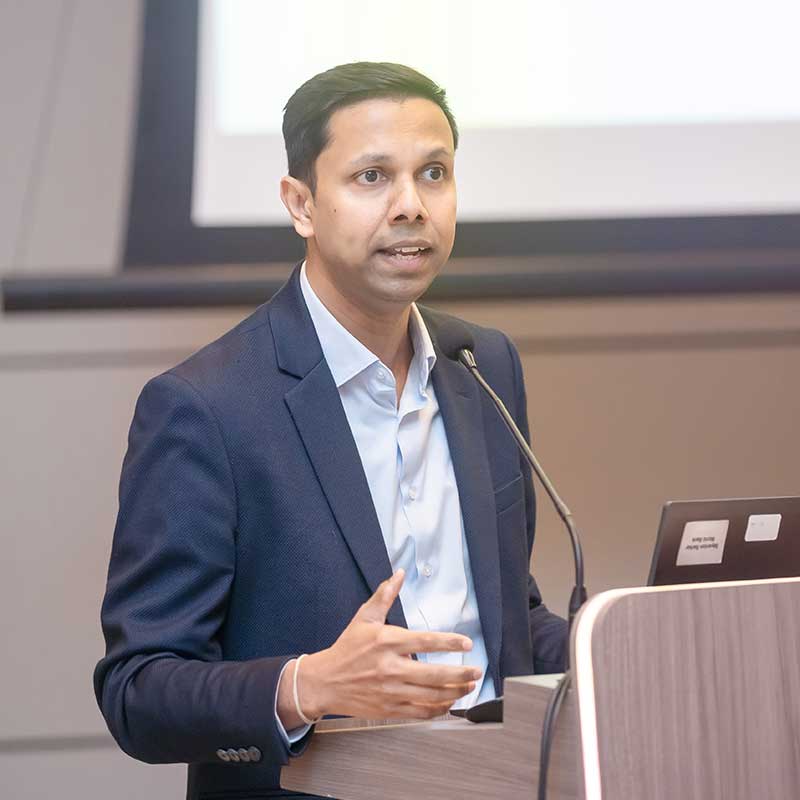
On the final day, the PLEASE Project team presented a comprehensive overview of its five-year impact across South Asia. The initiative has delivered measurable, region-wide results, including:
National Focal Points commended the transformative outcomes achieved under the project and expressed strong support for its extension into a second phase under renewed or expanded development partnerships.
The Summit also featured a presentation by the World Bank Group on air quality management across the Indo-Gangetic Plains and the Himalayan Foothills. The findings highlighted the transboundary nature of air pollution and emphasized on the potential for a coordinated regional initiative focused on advisory services, institutional coordination, and capacity development.
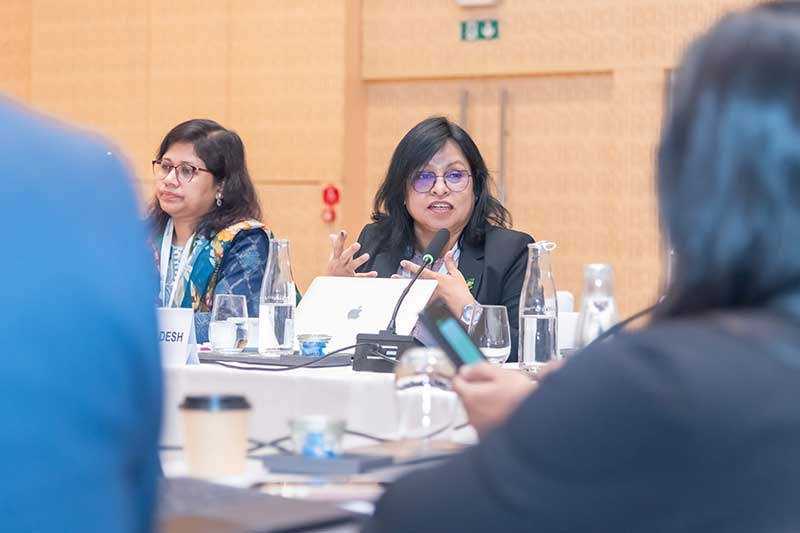
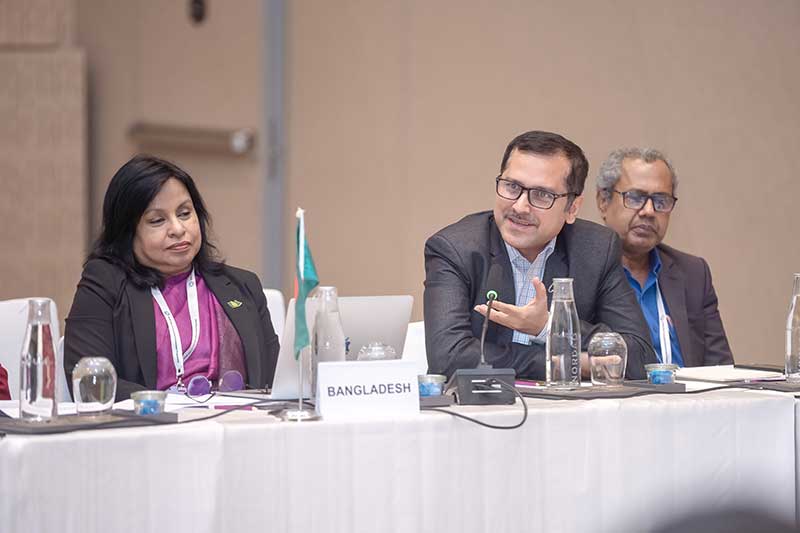
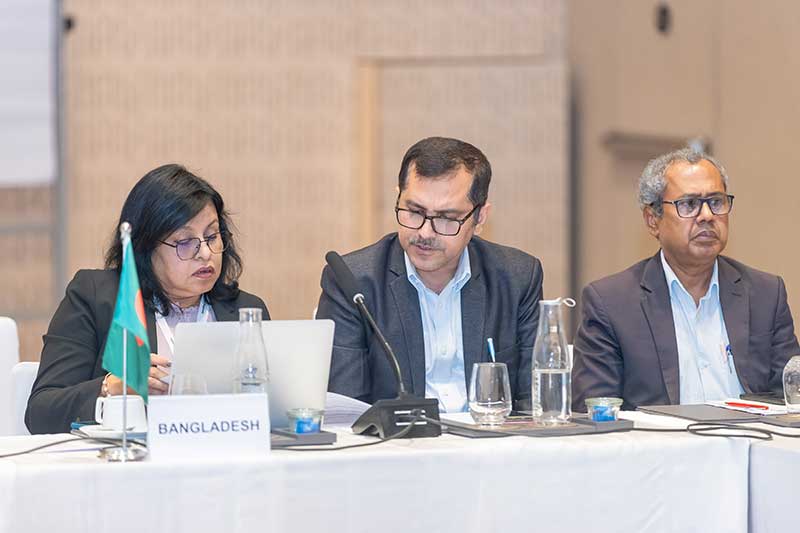
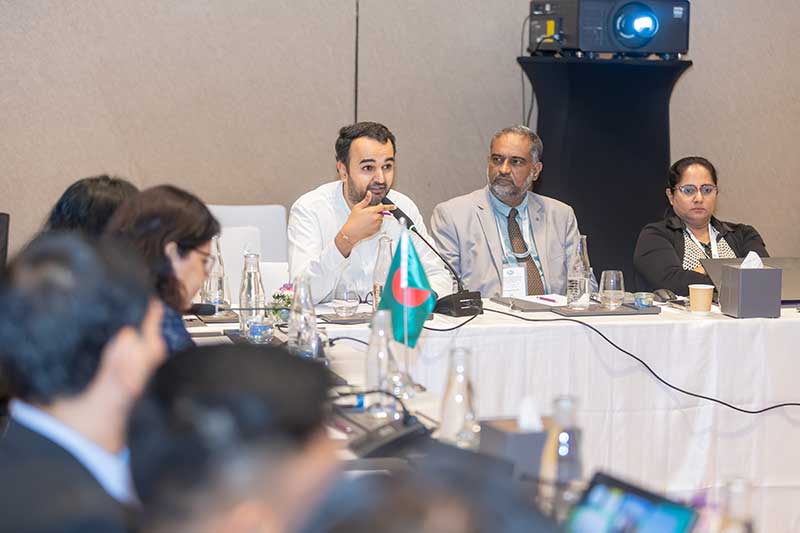
Member delegations welcomed the analysis and encouraged the integration of air quality management baselines alongside ongoing climate initiatives. The delegation of Bangladesh further proposed the establishment of a regional knowledge hub and policy lab to advance air quality governance in South Asia.
The National Focal Point Summit was convened in preparation for the 17th Governing Council Meeting of SACEP, ensuring alignment on strategic priorities and institutional reforms before formal deliberations.
SACEP extends its sincere appreciation to all Member States and National Focal Points for their active participation and constructive engagement. The Summit reaffirmed the region’s shared commitment to strengthened environmental cooperation and positioned SACEP to advance its mandate with renewed energy, amplified purpose, and a strengthened strategic vision in service of the people of South Asia.